


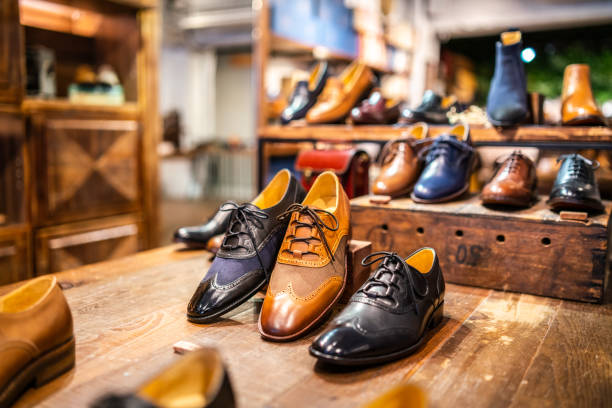
Top 10 Leather Types Used for Making Shoes
Leather remains the premier material for high-quality shoes due to its breathability, moldability, durability, and ability to age beautifully. While cow-based leathers dominate footwear production, various animal sources, tanning methods, and finishes create distinct options suited to different styles—from elegant dress shoes to rugged boots.
Here are the top 10 most widely used and appreciated leather types in shoemaking:
- Full-Grain Leather The highest-quality leather, taken from the top layer of the hide with the natural grain intact. It offers superior strength, breathability, and develops a rich patina over time. Commonly used in premium boots, heritage footwear, and high-end dress shoes where longevity and character matter most.
- Calfskin (Box Calf) Derived from young calves, this is the gold standard for dress shoes. It features a fine, smooth grain, excellent suppleness, and minimal creasing. Brands favor it for oxfords, derbies, and loafers because of its polished look and comfort.
- Top-Grain Leather Slightly sanded on the surface for uniformity, top-grain is very common in mid-to-high-end shoes. It balances quality, workability, and cost—more consistent than full-grain but still durable. Frequently seen in both casual and formal footwear.
- Suede Created by buffing the flesh side of the hide (usually calf, lamb, or cow), suede delivers a soft, velvety nap. Popular for chukkas, desert boots, loafers, and casual sneakers. It requires more care but provides unmatched texture and style.
- Nubuck Similar to suede but made by buffing the grain side of full-grain leather. Nubuck offers a premium matte finish with better durability than regular suede. Often used in upscale casual shoes and boots.
- Chrome-Tanned Leather Tanned using chromium salts, this leather is soft, flexible, water-resistant, and quick to produce. It dominates mass-market and mid-range footwear due to its versatility and low maintenance—widely used across sneakers, work boots, and everyday shoes.
- Vegetable-Tanned Leather Tanned using natural plant extracts, veg-tan leather ages dramatically with rich patina and darkens over time. Prized in artisanal and heritage shoemaking (e.g., certain Goodyear-welted boots), though less water-resistant than chrome-tanned options.
- Oil-Tanned / Pull-Up Leather Impregnated with oils and waxes (e.g., famous Horween Chromexcel or Red Wing’s oil-tanned leathers), it develops unique pull-up effects when flexed and resists water well. A favorite for rugged work boots, service boots, and casual leather footwear.
- Shell Cordovan A luxurious, non-grain leather from the dense “shell” beneath a horse’s hindquarters. Extremely durable, shiny, and crease-resistant, it is the ultimate choice for premium dress shoes (especially wholecuts and balmorals). Rare and expensive.
- Grained Leather (including Scotch Grain) Features an embossed or natural pronounced grain pattern for texture and to hide imperfections. Often used in brogues, rugged boots, and weather-resistant shoes. Scotch grain, in particular, is classic for heavier English-style footwear.
These leathers cover the vast majority of quality shoes produced worldwide. The “best” choice depends on purpose: calfskin or box calf for elegance, full-grain/oil-tanned for durability, suede/nubuck for texture, and shell cordovan for ultimate luxury.
When selecting shoes, look for genuine full-grain or top-grain constructions over corrected-grain or split leathers (often labeled simply “genuine leather”) for better performance and longevity. Proper care—conditioning, waterproofing where needed, and regular brushing—helps any of these leathers last for decades.